

Table of Contents
ToggleIntroduction
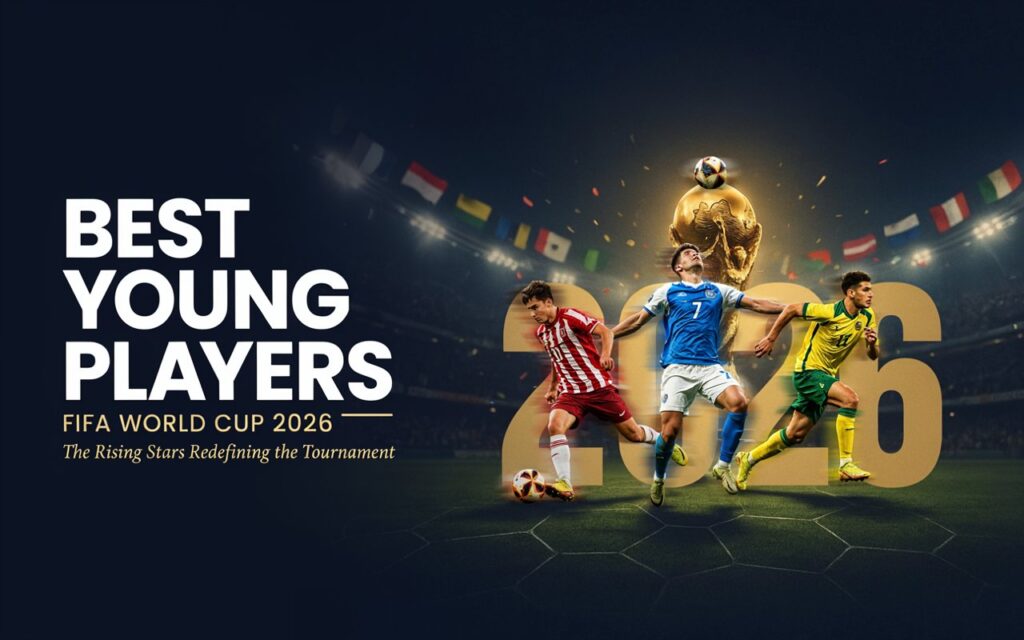
The Best Young Players FIFA World Cup 2026 conversation has become one of the tournament’s biggest storylines. With the competition expanded to 48 teams, more young players than ever have faced elite international opponents and many have thrived under that pressure. Instead of simply gaining experience, several under-23 talents have become key figures for their national teams, delivering decisive goals, sharp assists, and composed performances in must-win matches.
This piece breaks down the best young players FIFA World Cup 2026 has produced so far, how FIFA’s Best Young Player Award actually works, and who’s leading the race heading into the final stretch. We’ll also cover the breakout names boosting their transfer value, the standout U21 talents by position, and who to watch on the road to 2030.
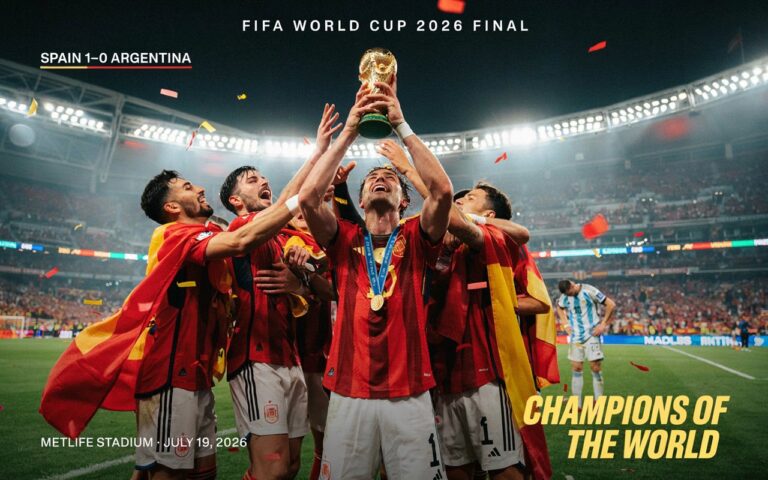
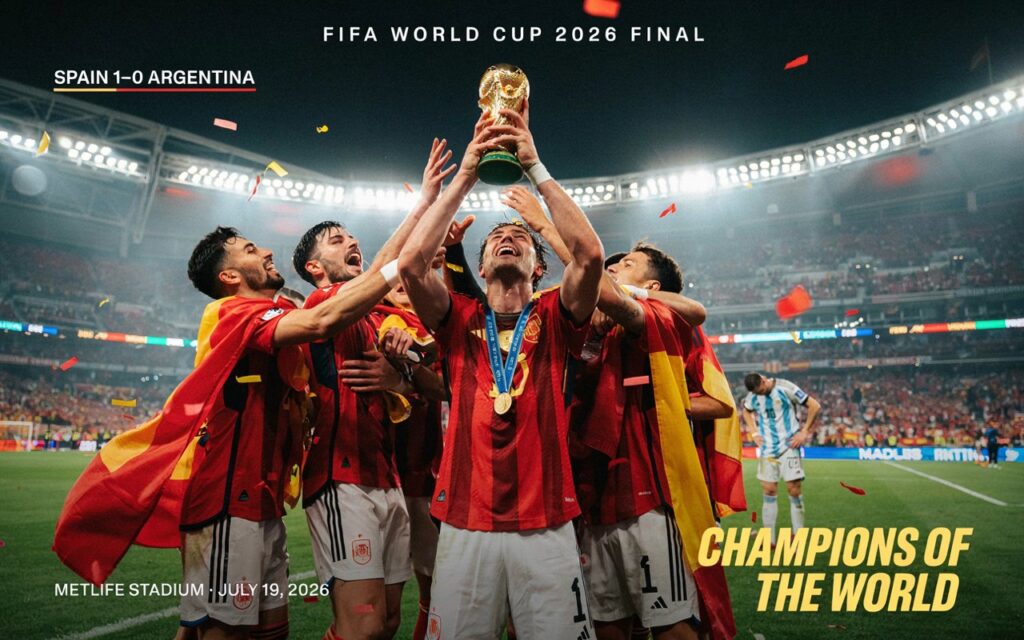
Note: FIFA hasn’t confirmed an official Best Young Player Award winner yet the final between Spain and Argentina is still to be played. Everything below reflects form and standing up to this point in the tournament, not a final result.
What Makes a Player Eligible for the FIFA Best Young Player Award?
Eligibility Criteria
FIFA created the Best Young Player Award to recognize the most outstanding emerging talent at each World Cup. Eligibility is based on an age cutoff set before the tournament begins; only players born within that window can be considered. But meeting the age requirement is just the entry ticket. To genuinely compete for the award, a player needs a real, measurable impact: consistent performances, technical quality, tactical intelligence, and the ability to influence important matches, not just standout moments in the group stage.
How FIFA Selects the Winner
FIFA’s Technical Study Group evaluates a player’s contribution across the entire tournament rather than any single moment. They weigh consistency, decision-making, creativity, defensive contribution, leadership, and composure under pressure with extra credit for performances against stronger opponents in high-stakes knockout matches. That’s why the award tends to favor sustained excellence over a single viral highlight.
Top Contenders: Best Young Players FIFA World Cup 2026
Here’s how the leading candidates stack up right now:
Player | Country | Position | Standout Trait |
| Spain | Winger | Fearless dribbling, decisive final-third output | |
Enzo Fernández | Argentina | Midfielder | Leadership and midfield control |
Désiré Doué | France | Forward | Direct running, unpredictability |
Arda Güler | Turkey | Attacking Midfielder | Technical brilliance, set-piece quality |
| João Neves | Portugal | Midfielder | Tempo control, mature passing |
Estêvão Willian | Brazil | Winger | Explosive one-on-one ability |
| Warren Zaïre-Emery | France | Midfielder | Composure beyond his years |
Kenan Yıldız | Turkey | Forward | Confidence in the final third |
| Nico Paz | Argentina | Attacking Midfielder | Vision and creative spark |
| Antonio Nusa | Norway | Winger | Pace and counter-attacking finishing |
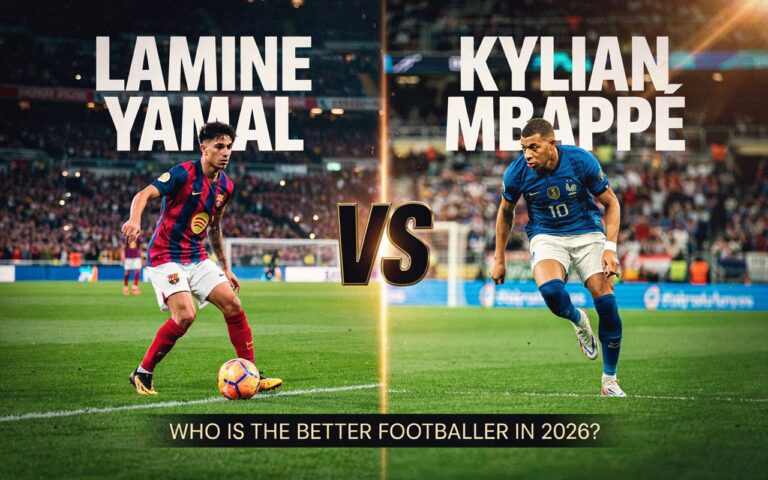
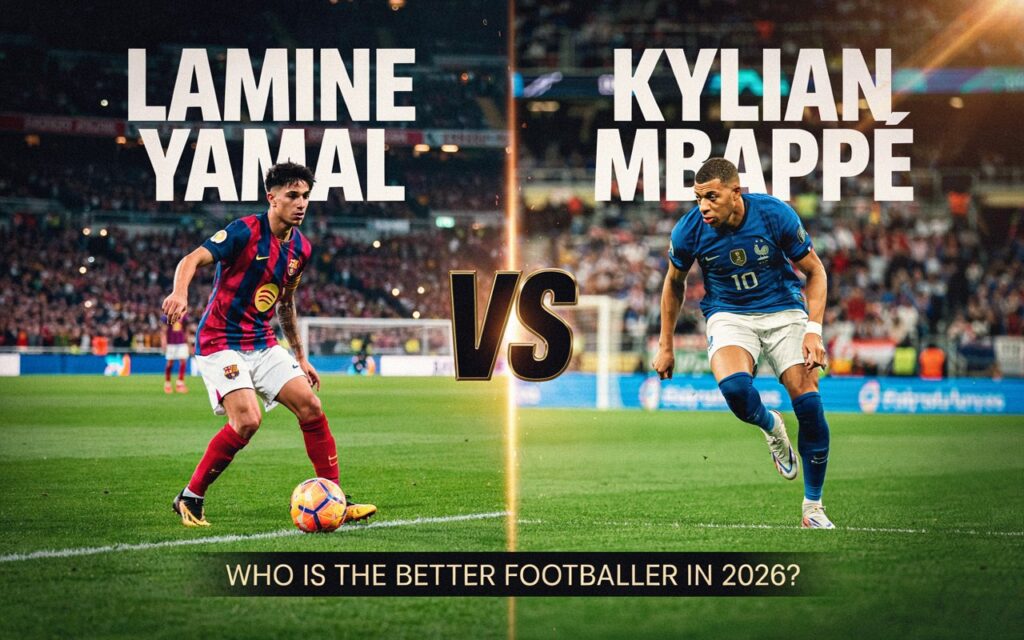
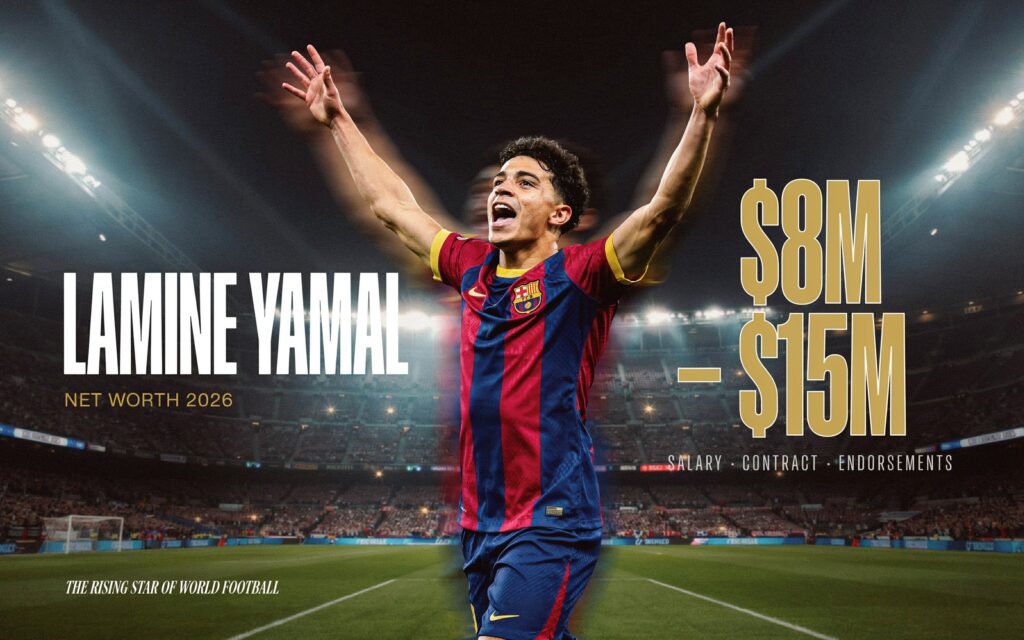
Among this group, Lamine Yamal has drawn the most attention for his fearless dribbling and decisive attacking contributions for Spain, while Enzo Fernández has paired leadership with intelligent midfield control for Argentina. France has leaned on Désiré Doué’s directness and Warren Zaïre-Emery’s composure, while Turkey’s Arda Güler and Kenan Yıldız have pointed to a genuinely bright future built on technical quality and confidence. João Neves has dictated Portugal’s tempo with mature distribution, and Estêvão Willian has shown Brazil exactly why they view him as a future superstar. Nico Paz has added flair whenever Argentina needed a spark, and Antonio Nusa’s pace has made Norway dangerous on the break.
Different strengths, same throughline: maturity, consistency, and composure under pressure proof that among the best young players FIFA World Cup 2026 has on show, age isn’t holding anyone back.
Award Contenders: Who’s Building the Strongest Case
Consistent Performers
A handful of players have built their candidacy the hard way through consistency, not just highlight-reel moments. They’ve influenced games with intelligent movement, defensive work rate, and decisive contributions from the group stage right through the knockouts, holding up against far more experienced opposition along the way.
Breakout Stars
Alongside the pre-tournament favorites, a few unexpected names have grabbed attention with fearless, high-responsibility performances despite limited international experience. Their form hasn’t just helped their national teams progress, it’s put them firmly on the radar of major European clubs, strengthening their case among this year’s most talked-about candidates.
Who’s the Frontrunner for Best Young Player?
With the final still to be played, no one has officially won anything yet but a clear picture is forming of what separates the frontrunners from the rest of the pack:
- Consistency across the whole tournament, not just a handful of big moments
- Performances in knockout matches, where pressure is highest
- Contribution to a deep run, since sustained team success tends to align with individual recognition
- All-around influence not just goals and assists, but chance creation, defensive recoveries, and decision-making under pressure
FIFA’s evaluation goes well beyond the scoresheet. Successful dribbles, passing accuracy, defensive work, and tactical discipline all factor into the final call which is why the eventual winner is usually the player whose complete game left the biggest mark, not just the one at the top of the goal charts.
Young Players Increasing Their Transfer Value
Biggest Transfer Winners
A strong World Cup run has always been one of the fastest ways to boost a young player’s market value, and 2026 is proving no different. Players combining technical ability with maturity and match-winning contributions are strengthening their positions ahead of the next transfer windows turning heads well beyond their home leagues.
Clubs Monitoring the Rising Stars
Europe’s top clubs are watching closely, with scouts paying particular attention to versatility, tactical intelligence, and how these players handle pressure on the biggest stage in the sport. Expect increased transfer offers, contract renegotiations, and bigger club roles for several names on this list once the tournament ends.
Best U21 Players at FIFA World Cup 2026 by Category
| Category | What Stood Out |
| Top Scorers | Clinical finishing and intelligent positioning in high-pressure moments |
| Top Playmakers | Vision and quick decision-making to unlock organized defenses |
| Best Midfielders | Tempo control balanced with defensive discipline |
| Best Defenders | Composure, anticipation, and aerial strength against elite attackers |
| Best Goalkeepers | Confident shot-stopping and calm distribution under pressure |
Across every position, the tournament has confirmed the same thing: the next generation of talent is deep, not just top-heavy with a few star names.
Future Superstars to Watch After the World Cup
Players Set to Dominate the Next Decade
Several young stars have shown the technical quality, tactical intelligence, and mental strength needed to become long-term leaders for club and country. Performing against elite opposition at this level is a strong indicator of readiness for sustained success and for future individual honors well beyond this tournament.
The Road to the 2030 FIFA World Cup
The path to 2030 gives these players years to refine their game at the highest club and continental level. Staying consistent, staying healthy, and adapting to bigger roles will decide how far each of them goes. If current form holds, several names on this list are on track to become the defining faces of international football over the next cycle.
Frequently Asked Questions
Has FIFA announced the Best Young Player Award winner for 2026? Not yet. The award is decided after the tournament concludes, and the final hasn’t been played. Lamine Yamal, Enzo Fernández, and Désiré Doué are among the players considered strong frontrunners based on form so far.
Who is the youngest player at the 2026 World Cup? Several teenage talents have earned minutes at this tournament, reflecting growing trust in youth development among national teams, a detail that typically gets confirmed alongside official FIFA tournament records.
Which young player has scored the most goals? A handful of U23 forwards have been in strong scoring form throughout the competition, combining clinical finishing with smart movement in the box.
Which clubs have benefited most from young World Cup performers? Top European clubs with academies feeding into national teams particularly in Spain, France, Portugal, and Brazil have seen their young players gain global recognition through this tournament.
Who could be the next Ballon d’Or winner from this generation? Players showing consistency, creativity, and leadership at a World Cup like several names on this list are exactly the profile that tends to compete for the Ballon d’Or within a few years.
Final Thoughts
The best young players FIFA World Cup 2026 has showcased to prove that the sport’s next generation isn’t waiting in the wings; they’re already influencing matches on the biggest stage in the world. From fearless attackers to composed defenders and confident goalkeepers, this tournament has revealed a generation capable of going toe-to-toe with established superstars.
As these players continue developing at club level, expect several of them to become the leading faces of international football well before 2030. The final scoreline and the official award are still to come but one thing is already clear: the next wave of football’s biggest names has arrived.